Substantive Post #3: Accessibility as Intentional Design, Not Accommodation
Rethinking Accessibility
Before engaging with the readings on accessibility and Universal Design for Learning (UDL), I often thought of accessibility primarily as accommodation something added after a learning experience was designed. However, the framework of inclusive design challenges that mindset. Accessibility is not a reactive adjustment; it is a proactive design principle that considers variability in learners from the very beginning.
UDL emphasizes providing multiple means of representation, engagement, and expression. Rather than assuming a “standard learner,” this approach acknowledges that learners differ in how they process information, stay motivated, and demonstrate understanding. Accessibility, in this sense, is not about lowering standards, but about expanding pathways.
Accessibility in Multimedia Learning
In multimedia environments, accessibility has significant implications. Text, images, audio, and interactive tools must be designed so they do not unintentionally exclude learners. For example, videos without captions limit access for deaf or hard-of-hearing learners. Dense visual layouts can create barriers for individuals with visual impairments or cognitive processing differences.
What stood out to me most is the idea that disability often arises from a mismatch between individuals and environments. When multimedia is cluttered, fast-paced, or overly complex, it can create unnecessary barriers. Thoughtful design choices such as clear structure, alternative text for images, consistent navigation, and adjustable pacing reduce those barriers for everyone, not just those with documented disabilities.
Below is a short overview explaining the core principles of Universal Design for Learning:
This video models multiple means of representation by combining narration, visuals, and clear organization.
Graphic Design and Visual Access
Graphic design is often assumed to be inherently visual, but inclusive design challenges that assumption. If I were designing a multimedia learning project, I would ensure that key visual information is also described in text or audio. For example, infographics could include alt text descriptions, and color-coded information would not rely solely on color to convey meaning.
In past projects, I have sometimes prioritized aesthetic cohesion over accessibility. Reflecting on this module, I recognize that visual minimalism does not automatically equal accessibility. Contrast, readability, and clarity matter more than stylistic trends.
The image below represents inclusive design through accessible digital interfaces:
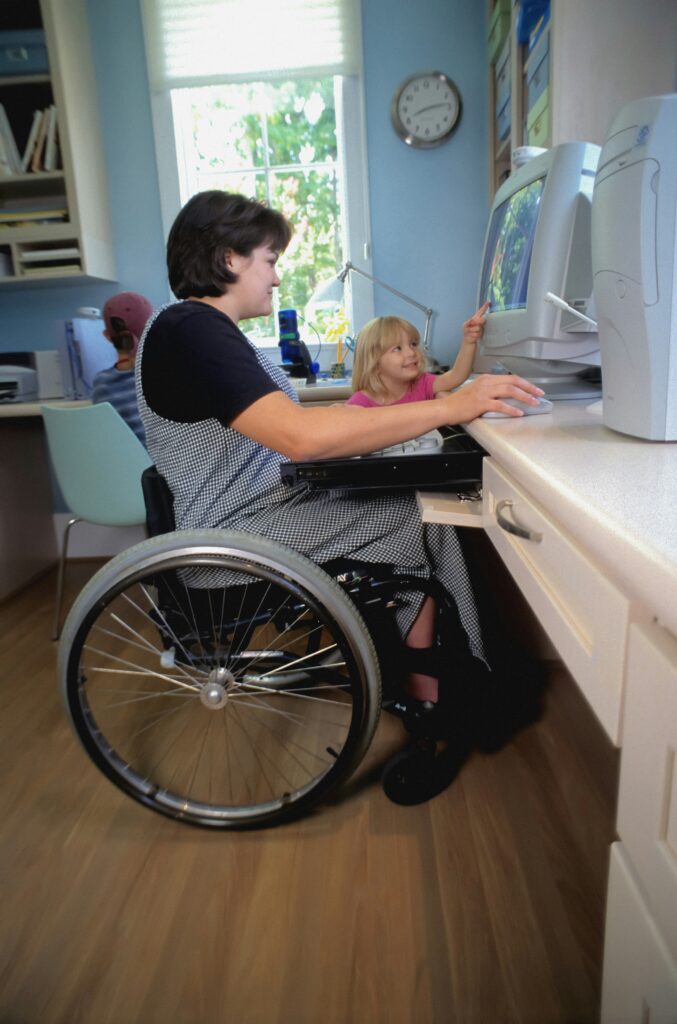
This image reflects the importance of designing digital spaces that prioritize accessibility and inclusive interaction.
Reflection
This module reframed accessibility as a responsibility rather than an optional enhancement. Inclusive design strengthens learning for all students by anticipating variability instead of reacting to it. When multimedia learning environments are designed with flexibility in mind, they reduce cognitive barriers and expand participation.
Moving forward, I want accessibility to be a foundational consideration in my design process, not an afterthought. Multimedia tools offer powerful possibilities, but without inclusive planning, they risk reinforcing exclusion. Thoughtful, accessible design ultimately reflects respect for learner diversity.
References
CAST. (2018). Universal Design for Learning Guidelines version 2.2. http://udlguidelines.cast.org
Mayer, R. E. (2009). Multimedia learning (2nd ed.). Cambridge University Press.