Substantive Post #1: Theories of Multimedia Learning
Understanding How We Learn Through Multimedia
After reading about Mayer’s Cognitive Theory of Multimedia Learning, I realized that effective multimedia design is much more intentional than I previously thought. The theory emphasizes three key assumptions: dual-channel processing (we process visual and verbal information separately), limited capacity (we cannot process unlimited information at once), and active processing (learning requires mental effort to organize and integrate information).
What felt most intuitive to me was the limited capacity principle. I have often experienced cognitive overload in long lectures or when viewing slides crowded with text and images. It made immediate sense that too much information at once can reduce learning rather than enhance it. The coherence principle, which suggests removing extraneous material that does not support learning goals, also resonated with me. I now recognize how often decorative visuals or unnecessary animations can distract rather than help.
However, I was surprised by the redundancy principle. I used to believe that repeating information in multiple formats (for example, showing text on a slide while narrating the same text word-for-word) would strengthen learning. Mayer’s research suggests the opposite that duplicating identical verbal information can actually overload the learner’s cognitive system. This challenged my assumption that “more explanation” is always better.
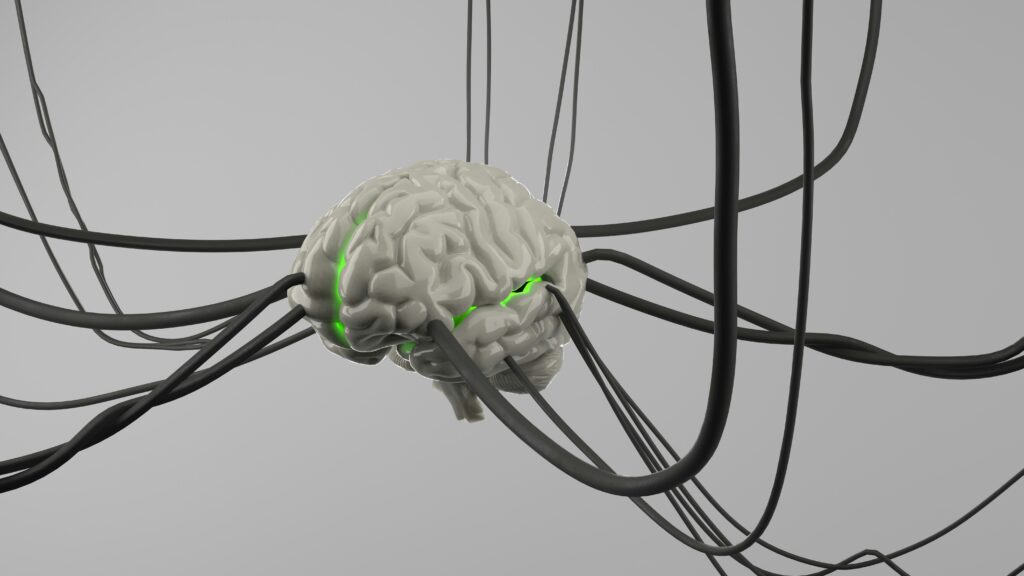
This image reflects the integration of visual and verbal channels central to multimedia learning theory.
Applying These Principles to My Own Design
As someone who frequently creates digital content whether for marketing, class presentations, or blog posts these principles have immediate relevance. For my multimedia project in this course, I plan to be especially mindful of the signaling principle, which highlights the importance of guiding learner attention through cues such as headings, highlights, or arrows. I now understand that design choices are not neutral, they shape how learners allocate cognitive resources.
For example, in past presentations, I have sometimes overloaded slides with bullet points. Moving forward, I would reduce on-screen text and pair concise visuals with spoken explanation to align with the modality principle. I also want to ensure spatial and temporal contiguity placing related text and images close together and presenting them simultaneously so learners do not need to split their attention.
Below is a short video overview that clearly explains Mayer’s core principles and how they apply to educational design:
This video effectively applies signaling and coherence by visually organizing principles into manageable segments.
Rethinking Multimedia in Everyday Platforms
Reflecting on social media platforms like TikTok or Instagram, I can now see how multimedia principles are strategically applied. Short videos reduce cognitive load, captions provide reinforcement without overwhelming text, and visual emphasis directs attention. These platforms demonstrate that effective multimedia design is rooted in psychological principles, even when users are not consciously aware of them.

This visual represents how modern platforms combine media elements to influence attention and engagement.
This reading shifted my perspective from thinking about “what tools to use” to asking “how will learners process this information?” As I continue designing multimedia learning experiences, I will prioritize clarity, alignment, and cognitive efficiency over aesthetic complexity. Thoughtful design, grounded in theory, ultimately supports deeper and more sustainable learning.
References
Mayer, R. E. (2009). Multimedia learning (2nd ed.). Cambridge University Press.